November 6, 2026
Keeping your vehicle in good condition requires more than filling the gas tank and making occasional trips to the car wash. Routine maintenance helps drivers address everyday wear and tear, identify potential problems, and keep their vehicles operating as intended. From oil changes to brake inspections, several services can help extend a vehicle's usable life and reduce the likelihood of unexpected breakdowns. Understanding which services your car needs can make it easier to plan maintenance and recognize when it is time to visit an automotive professional.
At Don Rucker Tire & Auto, routine maintenance is an important part of keeping vehicles ready for daily driving. Whether you commute to work, run errands around town, or take frequent road trips, scheduling an auto repair service when needed can help you stay ahead of common mechanical concerns. Learning about five common maintenance services can help you make informed decisions about your vehicle and its long-term care.
1. Scheduling Regular Oil Changes
Motor oil plays an important role in keeping an engine operating properly. It lubricates moving components, helps reduce friction, and carries heat away from critical engine parts. Over time, oil can become contaminated with dirt and combustion byproducts, while its protective properties gradually diminish. Regular oil changes help maintain proper lubrication and support engine performance.
The recommended oil change interval varies by vehicle. Factors such as the engine design, oil type, driving conditions, and manufacturer's recommendations all influence how frequently the service is needed. Some newer vehicles can go longer between oil changes than older models, so drivers should consult their owner's manual rather than rely on a single mileage estimate.
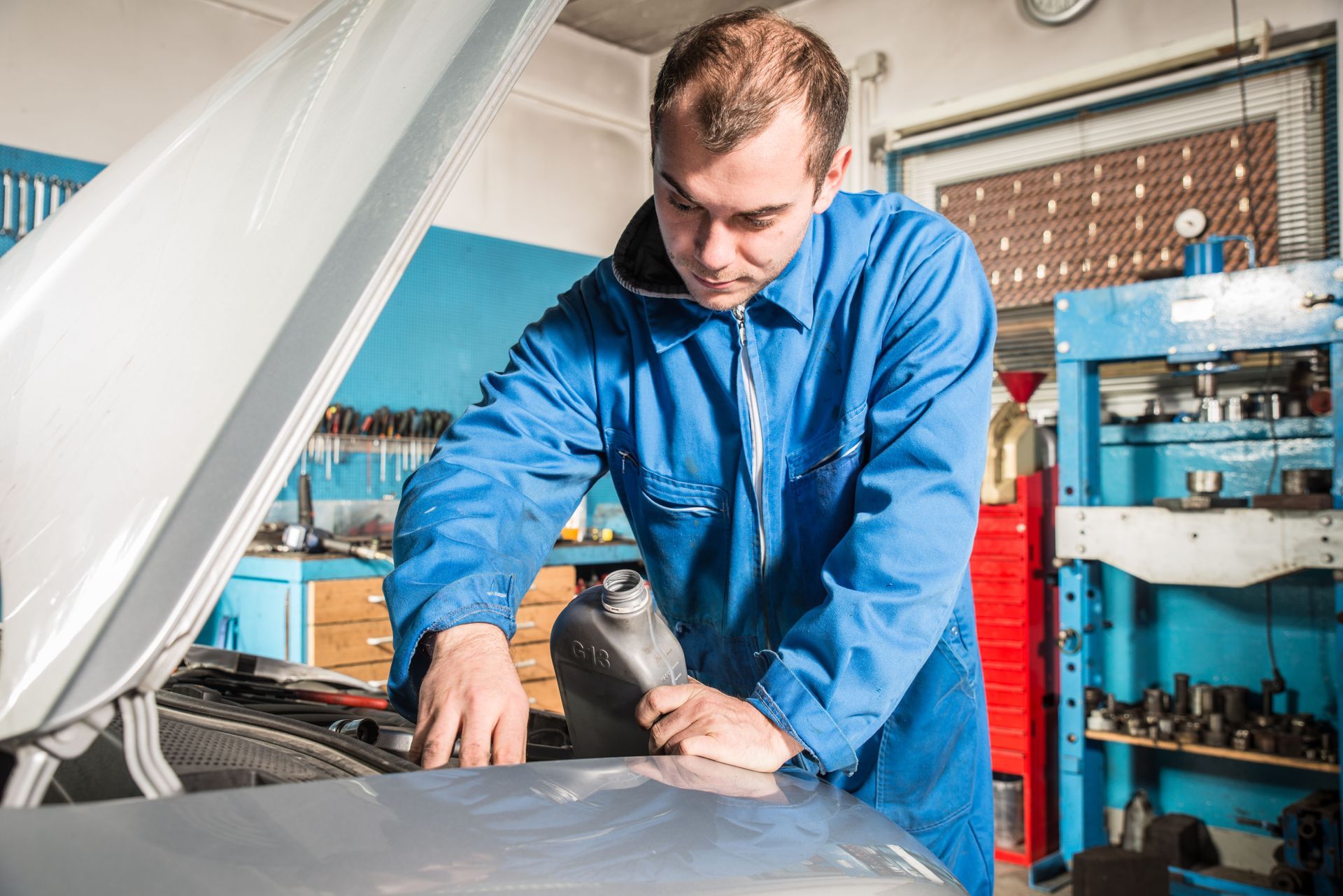
During an oil change, a technician typically drains the old oil, replaces the oil filter, and adds the appropriate amount and type of fresh oil. The technician may also check for visible leaks or other concerns that could affect engine operation. These additional observations can help identify issues that deserve closer attention before they become more serious.
Skipping oil changes can allow contaminants to accumulate and increase wear on engine components. Low oil levels can also contribute to inadequate lubrication, potentially causing significant engine damage. Keeping track of service dates and mileage makes it easier to stay on schedule.
A routine auto repair service that includes an oil change is a practical way to care for your engine. Drivers who notice an oil warning light, unusual engine noises, or visible oil leaks should address those concerns promptly rather than waiting for the next scheduled maintenance appointment.
2. Inspecting and Replacing Brake Components
A properly functioning braking system is essential for everyday driving. Brakes allow drivers to slow down, stop at intersections, respond to changing traffic conditions, and avoid potential hazards. Because braking components experience repeated friction and heat, they gradually wear and require periodic inspection.
Brake pads are among the most commonly replaced components. When a driver presses the brake pedal, the pads apply pressure to the brake rotors to slow the wheels. As the pads wear down, their ability to provide consistent braking can decrease. If they become excessively worn, they may damage other parts of the system and increase repair costs.
Brake rotors, calipers, brake fluid, and other components should also be checked as appropriate. A technician can assess pad thickness, look for rotor damage, and identify signs of fluid leaks or uneven wear. The exact maintenance needed depends on the vehicle's design and the condition of its braking system.
Drivers should pay attention to warning signs such as squealing, grinding, vibration while braking, or a brake pedal that feels unusually soft. A vehicle that pulls to one side during braking may also need professional attention. These symptoms can have different causes, so an inspection is the best way to determine what is happening.
Brake maintenance should not be postponed when performance changes. An auto repair service can help identify worn components and determine which repairs are necessary to restore proper operation. If braking performance suddenly deteriorates, the brake warning light appears with other concerning symptoms, or the vehicle cannot stop normally, stop driving as soon as it is safe and arrange professional assistance.
3. Checking Tire Pressure and Tire Condition
Tires affect traction, handling, braking, ride comfort, and fuel efficiency. Because they are the vehicle's primary contact with the road, maintaining them is an important part of routine automotive care. Regular tire inspections can help drivers identify wear, damage, and inflation problems before they interfere with driving.
Proper tire pressure is particularly important. Underinflated tires can generate excess heat and wear unevenly, while overinflated tires may reduce the amount of tread contacting the road. Both conditions can affect handling and tire longevity. Drivers should check pressure when the tires are cold and follow the manufacturer's recommended pressure listed on the vehicle's door-jamb label or owner's manual.
Tread depth is another consideration. Tires with insufficient tread may struggle to maintain traction, especially on wet roads. Drivers should also look for cracks, bulges, punctures, and uneven wear patterns. Damage to a tire's sidewall can be especially concerning because it may compromise the tire's structural integrity.
Tire rotation can help promote more even wear, although the appropriate rotation pattern and interval depend on the vehicle and tire configuration. Some vehicles have directional tires, staggered tire sizes, or other requirements that affect rotation options. Wheel alignment and balancing may also be needed when the tires wear unevenly, the steering wheel vibrates, or the vehicle pulls to one side.
A professional auto repair service can include tire condition checks and help determine whether rotation, balancing, alignment, or replacement is appropriate. Maintaining your tires can help support safer handling and reduce the chances of being surprised by a tire-related problem during a commute or road trip.
4. Replacing Worn Filters and Checking Fluids
Several filters and fluid systems help keep a vehicle operating efficiently. Although they may receive less attention than the engine or brakes, these components perform important jobs and should be maintained according to the manufacturer's recommendations.
The engine air filter prevents dust, dirt, and other particles from entering the engine's air intake. When the filter becomes clogged, airflow may be restricted. Replacing a dirty filter when necessary helps maintain the engine's intended operation. Cabin air filters serve a different purpose by capturing airborne particles before air circulates through the passenger compartment. A clogged cabin filter may reduce airflow from the heating and air conditioning vents.
Vehicle fluids also require periodic inspection. Coolant helps regulate engine temperature, transmission fluid supports the operation of the transmission, and brake fluid transfers pressure through the braking system. Depending on the vehicle, power steering fluid and other fluids may also require attention. Some modern vehicles use electric power steering or sealed systems with different service requirements.
Fluid levels that fall below recommended ranges may indicate a leak or another problem. Drivers should not simply keep adding fluid without investigating repeated losses. Using the wrong fluid can also cause damage, so it is important to follow the vehicle manufacturer's specifications.
Maintenance schedules vary based on the vehicle and the type of fluid or filter. According to How Stuff Works, you should conduct routine auto maintenance around every 30,000 miles. This can serve as a general reminder to review your vehicle's maintenance needs, but it should not replace the manufacturer's schedule. Some services are needed much sooner, while others have longer intervals.
An auto repair service that includes appropriate filter replacements and fluid checks can help identify developing problems and keep essential systems in good working order. Following the correct maintenance intervals is especially helpful for drivers who want to avoid unnecessary repairs.
The right maintenance schedule depends on your vehicle's age, mileage, design, and driving habits. Consulting your owner's manual and keeping records of completed services can help you determine when specific tasks are due. It is also important to address unusual noises, warning lights, leaks, and changes in performance rather than waiting for a scheduled visit.
At Don Rucker Tire & Auto, drivers can seek professional assistance with their vehicle maintenance and repair needs. Whether your car needs routine attention or you have noticed a new problem, arranging an appropriate auto repair service can help you understand what your vehicle requires. Staying proactive with maintenance can help you make informed repair decisions and keep your vehicle prepared for the miles ahead. Contact us today for more information about
auto repair service.