June 12, 2026
Owning a vehicle is more than just getting from point A to point B—it’s an ongoing investment that benefits from consistent care. Routine attention doesn’t just prevent breakdowns; it builds reliability, preserves value, and helps you avoid unexpected expenses. When drivers stay proactive with maintenance, they reduce the likelihood of major issues that disrupt daily life. That’s where regular car repairs come into play, serving as a practical way to extend the lifespan of your vehicle without overcomplicating the process.
Think of your car like a long-term partnership. The more attention you give it, the better it performs over time. Small, consistent efforts add up, and understanding where to focus makes all the difference. Below, we’ll walk through key areas that matter most and how they contribute to keeping your vehicle on the road longer.
Following The Manufacturer’s Schedule
One of the most effective ways to extend your vehicle’s lifespan is simply following the maintenance schedule outlined by the manufacturer. These recommendations are not arbitrary—they’re based on engineering data and real-world testing. Sticking to these intervals helps ensure that critical systems are serviced before problems develop. This approach minimizes wear and keeps your vehicle operating efficiently.
It’s easy to delay service when everything seems to be running fine, but that’s often when preventive maintenance matters most. Routine car repairs tied to scheduled service—like oil changes or inspections—help catch early warning signs. Over time, this consistency reduces the likelihood of costly repairs and improves long-term reliability.
Keeping records of completed services also adds value. Whether you plan to sell your vehicle later or simply want peace of mind, documented maintenance shows that your car has been cared for properly. It’s a simple habit that pays off in multiple ways.
Monitoring The Engine’s Health
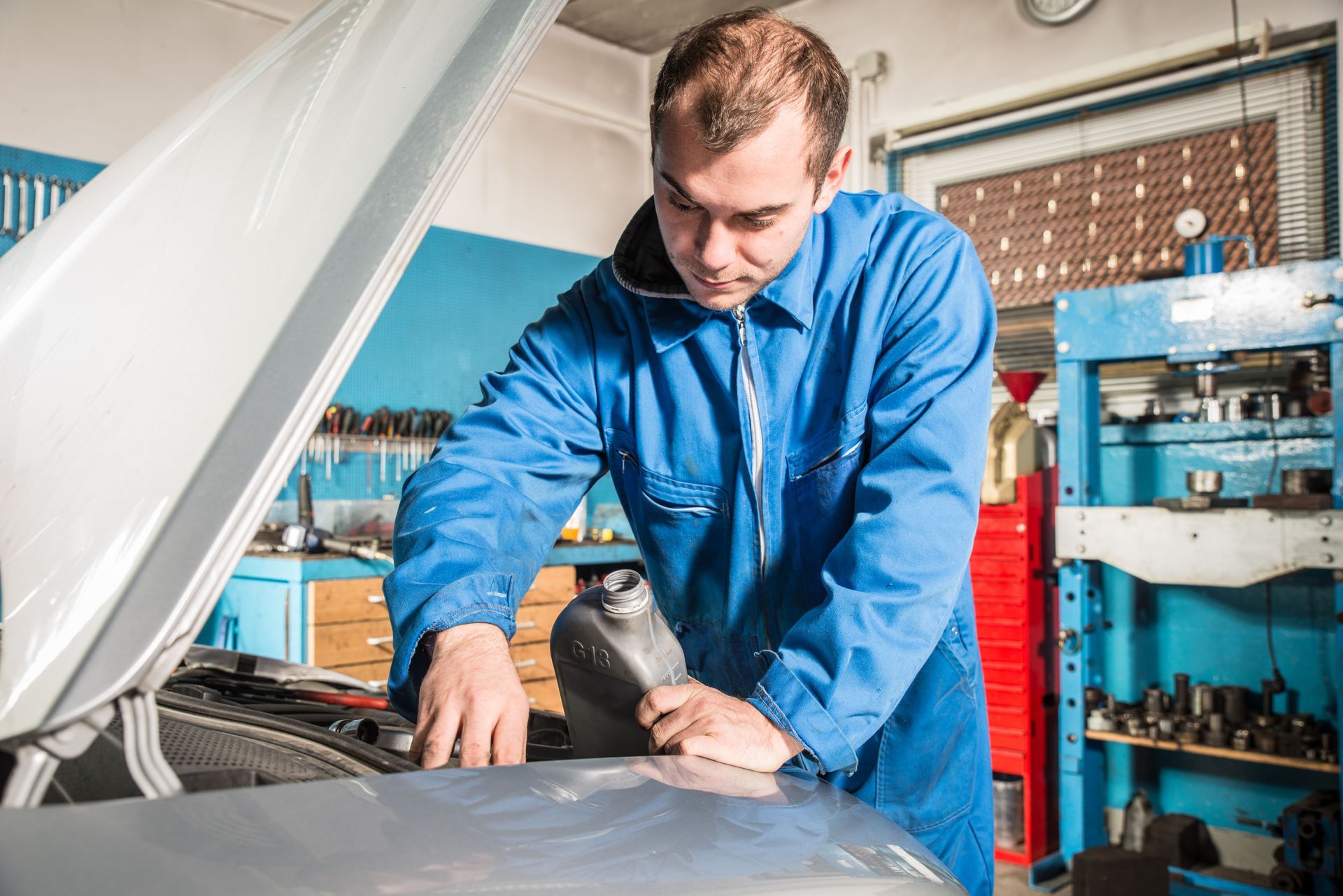
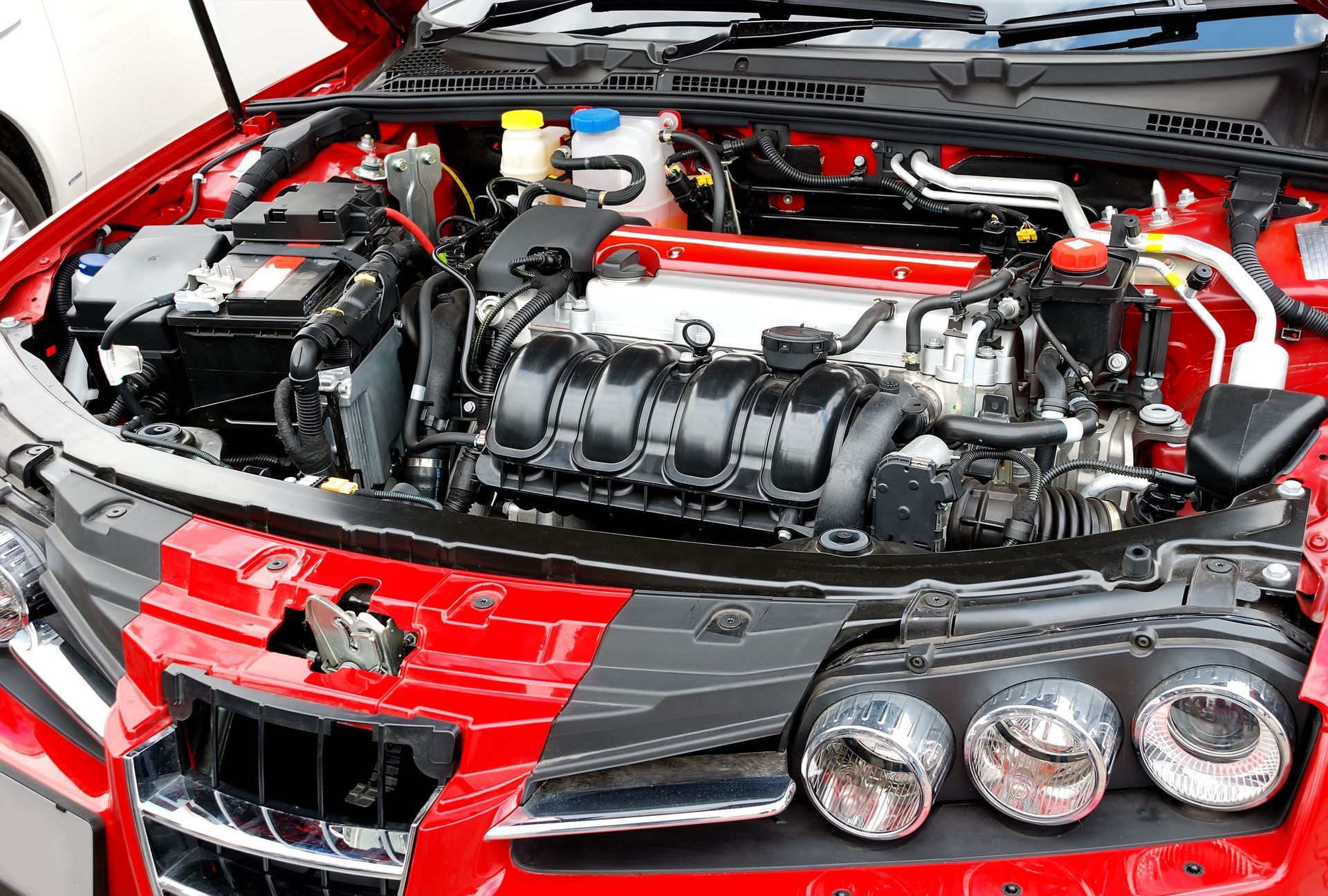
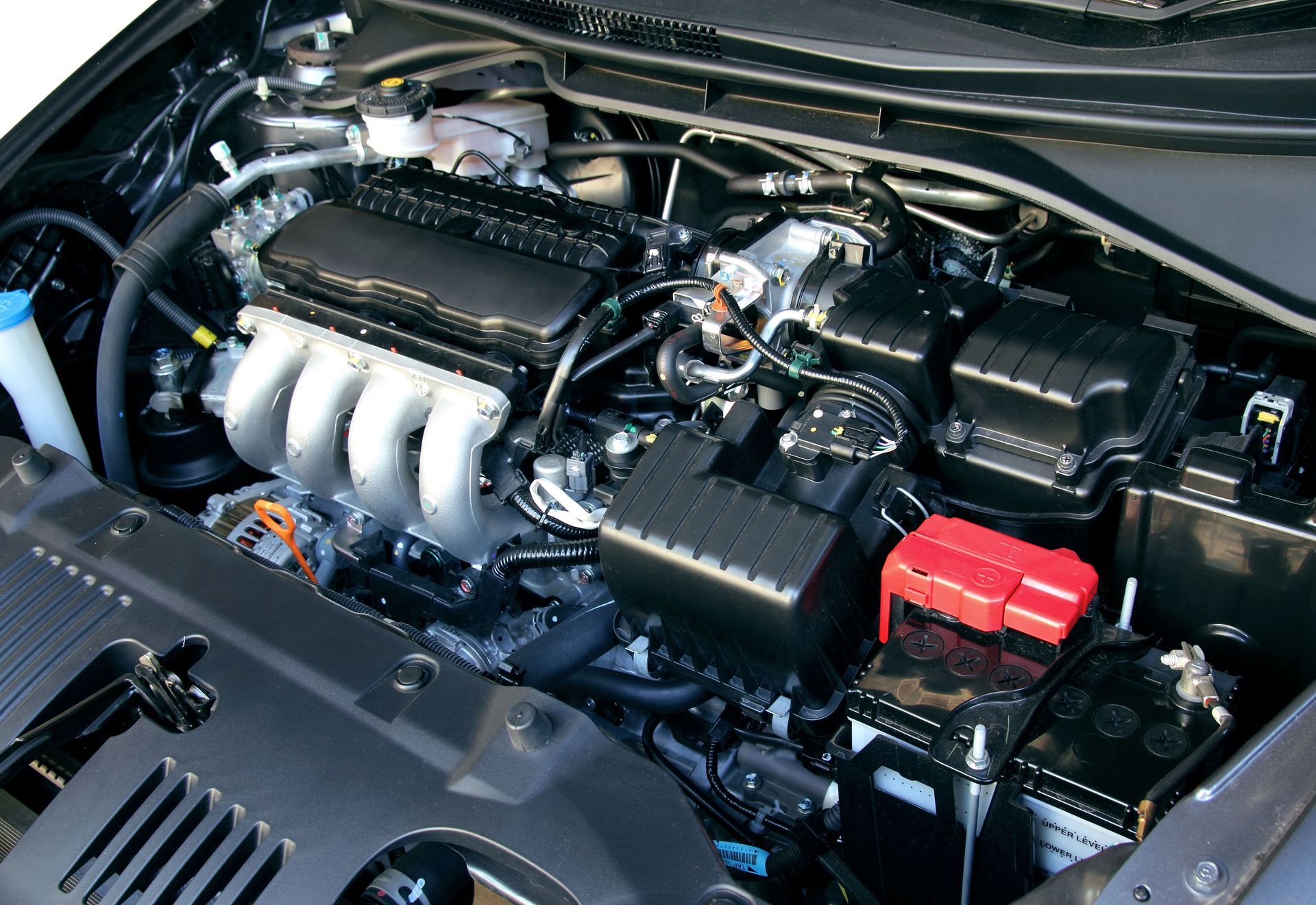
The engine is the core of your vehicle, and keeping it in good condition is essential for longevity. Regular oil changes, air filter replacements, and spark plug checks all contribute to maintaining engine performance. These tasks might seem routine, but they directly impact how efficiently your vehicle runs over time. Ignoring them can lead to reduced performance and unnecessary strain.
Fresh oil reduces friction and heat, allowing engine components to function smoothly. Meanwhile, a clean air filter ensures proper airflow, which supports fuel efficiency and combustion. These small but consistent car repairs help prevent larger mechanical failures down the road. When handled proactively, they extend engine life significantly.
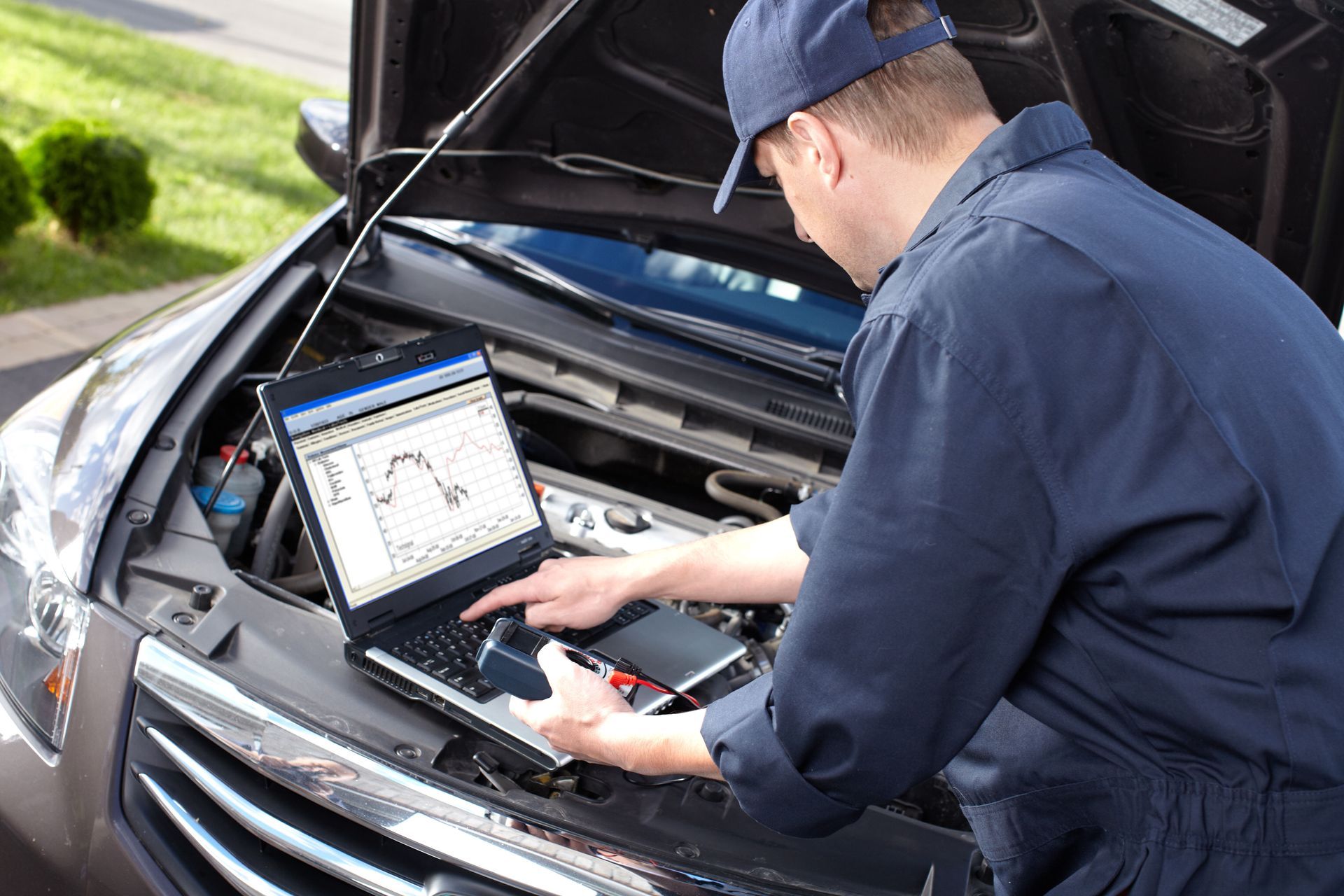
Another important aspect is paying attention to how your car feels and sounds. Unusual noises, decreased acceleration, or warning lights should never be ignored. Addressing these early keeps minor issues from escalating into major repairs that can shorten your vehicle’s lifespan.
Maintaining The Brake System
Your brake system plays a critical role in both safety and vehicle longevity. Worn brake pads, old fluid, or damaged rotors can create unnecessary stress on surrounding components. Keeping this system in good condition ensures consistent stopping power and prevents further mechanical strain. It also protects other parts of the vehicle from avoidable damage.
Routine inspections help identify wear before it becomes a serious problem. Brake pads, for example, should be replaced before they wear down completely, as this can damage the rotors. These types of car repairs are relatively simple but have a major impact on overall performance and safety. Staying ahead of them keeps your vehicle running smoothly.
Brake fluid is another often-overlooked factor. Over time, it absorbs moisture, which reduces its effectiveness. Replacing it at recommended intervals ensures the system operates reliably. A well-maintained brake system not only keeps you safe but also contributes to a longer-lasting vehicle.
Preserving The Tires and Suspension
Your tires and suspension system are responsible for stability, handling, and ride comfort. When these components are properly maintained, they reduce strain on the rest of the vehicle. Regular tire rotations, alignments, and pressure checks ensure even wear and improve fuel efficiency. These habits also prevent unnecessary stress on suspension parts.
Uneven tire wear can signal alignment or suspension issues that need attention. Addressing these early prevents more extensive damage. Routine car repairs in this area help maintain balance and control, especially during everyday driving conditions. Over time, this contributes to better overall vehicle performance.
The suspension system also plays a key role in absorbing impact from the road. Worn shocks or struts can lead to a rough ride and increased wear on other components. Keeping this system in good condition enhances both comfort and longevity, making it a worthwhile investment.
Inspecting The Electrical Components
Modern vehicles rely heavily on electrical systems, from ignition to safety features. A well-maintained battery, alternator, and wiring system ensures everything functions as intended. When electrical components begin to fail, they can affect multiple areas of the vehicle. Staying proactive helps prevent these cascading issues.
Battery health is especially important. A weak or failing battery can lead to starting problems and place additional strain on the alternator. Routine checks and timely replacements are simple car repairs that prevent inconvenient breakdowns. They also help maintain consistent vehicle performance.
Lighting and sensors should also be monitored regularly. Functional headlights, brake lights, and dashboard indicators are essential for safe driving. Keeping these components in working order ensures your vehicle remains both reliable and compliant with safety standards.
Replacing The Fluids and Filters
Fluids and filters are essential for keeping your vehicle running efficiently. Engine oil, transmission fluid, coolant, and brake fluid all play specific roles in maintaining performance. Over time, these fluids degrade and lose effectiveness, making regular replacement necessary. Neglecting them can lead to overheating, poor performance, and mechanical damage.
Filters, on the other hand, keep contaminants out of critical systems. Whether it’s the air filter, fuel filter, or cabin filter, each one contributes to overall efficiency. Routine car repairs involving fluid changes and filter replacements are some of the simplest ways to extend your vehicle’s lifespan. They’re low-cost actions with high impact.
According to LLC Buddy, the average driver keeps their vehicle for about 8.4 years. That timeframe can be extended with consistent maintenance, especially when fluids and filters are kept in optimal condition. It’s a practical reminder that small, routine efforts can significantly influence how long your vehicle lasts.
Addressing The Small Issues Early
One of the most overlooked aspects of vehicle care is addressing minor issues before they grow. A small leak, unusual sound, or warning light might seem insignificant at first. However, these are often early indicators of larger problems. Acting quickly can prevent more extensive and expensive repairs later on.
Routine inspections help identify these issues early. Whether it’s a loose belt or a minor fluid leak, handling it promptly keeps your vehicle in better condition. These types of car repairs are often quick and affordable, making them easy to manage. Ignoring them, however, can lead to more serious complications.
There’s also a mental benefit to staying proactive. When you’re confident in your vehicle’s condition, driving becomes less stressful. You’re not constantly worrying about what might go wrong, which makes the overall ownership experience more enjoyable.
Extending the life of your vehicle doesn’t require complicated strategies—it comes down to consistency and attention to detail. From following the manufacturer’s schedule to addressing small issues early, each step plays a role in maintaining performance and reliability. Routine car repairs are not just about fixing problems; they’re about preventing them and protecting your investment over time.
When you take a proactive approach, your vehicle rewards you with better performance, fewer surprises, and a longer lifespan. If you’re ready to stay ahead of costly issues and keep your car running at its best, trust Don Rucker Tire & Auto for reliable service and expert support.